

SEO for Heritage Hotels and Boutique Stays in George Town
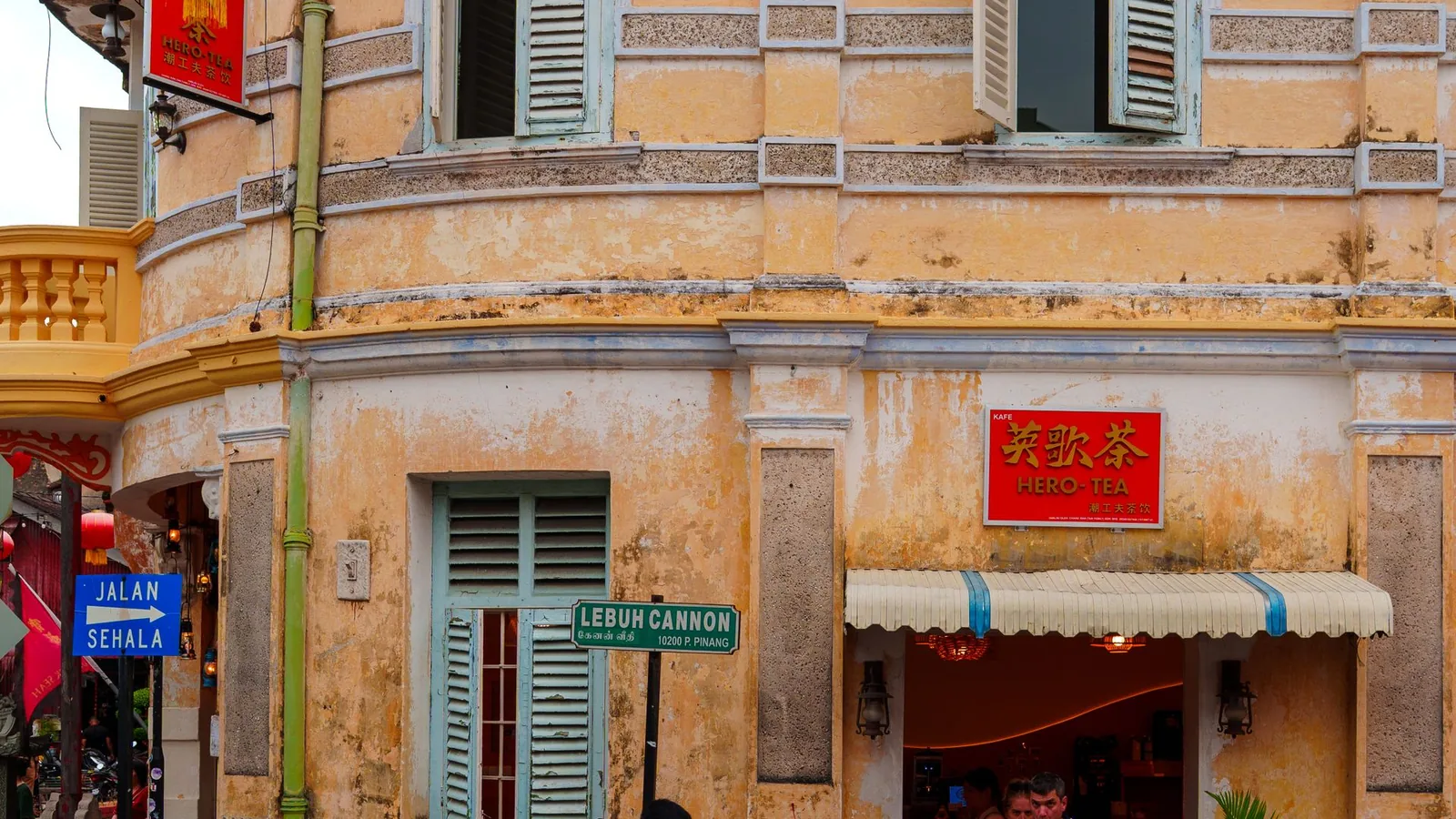
A heritage stay is chosen on more than location and price. Guests compare atmosphere, room character, walkability, noise, accessibility and whether the story feels authentic. Quantum Search helps George Town properties translate those decision details into searchable pages that can support direct bookings.
Key Takeaways
- Build pages around real stay decisions, not a generic list of Penang attractions.
- Give each room type enough crawlable detail to set expectations accurately.
- Use heritage stories only when the property can verify them and distinguish its own building from the wider city.
- Connect discovery content to a clear rate, availability or enquiry journey.
A hospitality-focused seo service Penang plan can give the property, rooms, neighbourhood guides and booking pages separate search roles while keeping facts consistent across the website and travel platforms.
Turn a beautiful property story into a useful stay decision
Describe what is distinctive in concrete terms: the building type, restoration approach, room layout, stairs or lift access, courtyard, street setting and the experience at different times of day. Honest detail attracts better-fit guests and reduces surprises.
A neighbourhood guide should help a guest plan from the front door. Walking times, transport options and nearby experiences must be checked rather than copied from a destination article. The hotel’s role is to provide first-party stay context, not recreate an entire Penang travel portal.

Use the room, reason and radius map
Room
Explain size, configuration, access, view, noise considerations and who the room comfortably suits.
Reason
Create focused guidance for heritage weekends, food trips, work stays or small celebrations only when the property serves them.
Radius
Show what a guest can realistically reach from the property and how, with current local context.
Reservation
Keep policies, inclusions and booking actions clear so discovery can move into a confident direct decision.
UNESCO describes George Town and Melaka as historic trading cities with a living multicultural heritage and distinctive townscape; properties should cite that wider context accurately rather than claim the designation for themselves, using the official World Heritage listing. Google’s local guidance says complete, accurate information supports relevance and customer understanding, which makes consistent hotel name, location and hours foundational; see the Business Profile guidance.

Map the decisions behind a George Town stay
A prospective guest is not choosing “heritage” in the abstract. They are deciding whether the property suits a trip, party, budget and comfort level. Map the questions that repeatedly appear before booking: room configuration, stairs or lift, street noise, parking, breakfast, workspace, family suitability, check-in timing and walking access. Use those questions to organise the website instead of filling a page with generic destination adjectives.
Separate property-level facts from room-level decisions. The property page can explain the building, common areas, atmosphere, access and location. Each materially different room type needs a stable page or clearly addressable section with dimensions or size context, bed configuration, occupancy, bathroom arrangement, view, access, amenities and honest limitations. A guest should not have to compare several booking widgets to understand whether a room fits.
Property fit
Building character, shared spaces, access, service model and the experience of staying there.
Room fit
Configuration, occupancy, privacy, view, noise considerations and practical amenities.
Trip fit
Whether the stay supports a food trip, heritage weekend, work visit, celebration or family plan.
Booking fit
Rates, inclusions, policies, availability and a direct route that works well on mobile.
Tell the property story with verifiable detail
A heritage narrative becomes persuasive when it distinguishes the specific building from the wider history of George Town. Document what the property can verify: previous use, architectural features, restoration decisions, retained materials and the people responsible for the work. Keep an evidence folder with source references and approved photographs. If a date, ownership story or design claim is uncertain, qualify or omit it rather than repeating a popular anecdote.
UNESCO recognises Melaka and George Town as historic trading cities with a living multicultural heritage and distinctive townscape. That designation belongs to the listed property and context; it does not automatically make every hotel “UNESCO-certified” or individually listed. Use the official UNESCO description to frame the city accurately, then return to the hotel’s own verified story. This avoids borrowing authority the property does not possess.
Evidence that can strengthen a property story
- Approved historical records, archival photographs or conservation documentation.
- Named restoration contributors and factual descriptions of retained features.
- Current photographs showing the actual rooms, circulation and common areas.
- First-party explanations of how the building affects the guest experience.
- Clear distinction between city-wide heritage context and property-specific status.
Create room pages that set expectations before checkout
Room copy should help a guest decide, not simply repeat “elegant” and “unique.” State what varies: floor, access, bed, window, orientation, bathroom, natural light, storage, desk, occupancy and potential noise. If historic fabric creates narrow stairs, uneven levels or compact layouts, explain that respectfully and show representative photographs. Honest detail may reduce some bookings, but it can increase fit and reduce disappointment.
Keep the direct booking path aligned with the room page. Names, occupancy, inclusions and policies should match the booking engine and major travel platforms. Test the handover from content to availability on a phone. If a room name changes, update internal links, metadata and external listings. Do not create thin pages for minor décor variations when guests make the same decision; group them under a room type and explain what assignment may vary.
Write neighbourhood guides from the front door
A useful hotel guide starts with what a guest can realistically do from the property. Verify walking routes, transport options, opening patterns and the time needed for a relaxed visit. Explain who a route suits and where weather, mobility, traffic or event conditions may change the plan. Avoid fixed minute-by-minute promises when conditions vary. Link to official venue or transport information for facts that change frequently.
Choose guide topics connected to the property’s best-fit stays. A food-focused weekend, a short heritage walk or a work-and-leisure itinerary can be valuable when staff contribute current local knowledge. Do not reproduce generic lists of famous attractions from destination sites. Original directions, timing advice, rest points, nearby breakfast choices the team has verified and photographs from the property’s perspective provide more useful context.
The radius test
For every place mentioned, ask whether the hotel has verified how a guest gets there, why it matters to this stay and what could change. If the answer is merely “it is in Penang,” the reference probably does not belong in the guide.
Use OTAs for reach while improving the direct-booking case
Travel platforms may introduce the property to guests who would not discover it directly. The website should not copy the listing and expect a different result. Use first-party space to explain the building, room fit, neighbourhood, policies and service in more depth. Make direct rates and inclusions transparent where the property can maintain them. Do not advertise a saving or benefit that is unavailable at checkout.
A direct path must earn trust. Use secure booking, clear currency, cancellation and payment terms, accessible contact details and a confirmation that arrives promptly. Show the real organisation operating the property. If a guest prefers a platform, the content can still reduce uncertainty and support the decision; success should not be defined only as diverting every visitor away from an OTA.
Strengthen local entity consistency
Keep the property name, address, telephone, map pin, check-in information and primary category aligned across the website, Business Profile and travel platforms. Where reception hours differ from property access or support availability, explain the distinction. Update special arrangements for renovation, road closure or temporary service changes. A beautiful editorial site cannot compensate for a wrong pin or unanswered contact route.
Use structured data only for facts visible on the page and entities the business can support. An article can use `BlogPosting`; the property site may use appropriate organisation or lodging-related markup according to current eligibility, but schema is not a shortcut to AI visibility. Google’s current AI guidance emphasises normal Search eligibility, textual content, internal links and matching structured data rather than special AI markup.
Measure the journey from search to suitable stay
Track discovery themes by room, trip reason and neighbourhood question. Follow visits into room views, availability checks, completed direct bookings or assisted enquiries. Review cancellation and pre-arrival question themes with reservation staff. If a page attracts guests who repeatedly misunderstand access or room configuration, improve the copy and photography rather than chasing more traffic.
Maintain the content seasonally. Verify room inventory, policies, nearby recommendations, transport notes and staff-approved stories. Update pages after meaningful changes and preserve stable URLs where the intent remains the same. The strongest content library grows from real guest questions and property knowledge, not a calendar of interchangeable Penang attraction posts.
Build content for different planning stages
A guest may discover the property months before travel, compare rooms weeks later and confirm practical details shortly before arrival. Give each stage a useful destination. Inspiration content can explain the character of the stay and a relevant itinerary. Comparison pages should make rooms, access, policies and inclusions easy to evaluate. Pre-arrival information should provide current directions, check-in, contact and preparation without forcing confirmed guests back through marketing copy.
Link the stages without duplicating them. A heritage-weekend guide can introduce the property’s setting and link to room options. A room page can link to booking and a concise policy explanation. The confirmation message can link to a maintained arrival guide that is useful but not intended to rank for every travel phrase. This architecture serves both search discovery and existing guests.
Review query and booking data by stage. Broad destination impressions may contribute awareness even when they do not produce an immediate booking. Room and property searches should move more directly into availability. Arrival pages should be measured through support reduction and guest preparedness rather than organic traffic. A single conversion target would misjudge these different roles.
Use multilingual content only when service can continue in that language
George Town attracts guests with different language needs, but translating every page is not automatically helpful. Prioritise the languages the property can review, maintain and support during reservation and stay. Translate the full decision—including policies, room limitations and contact steps—not only the promotional introduction. Use appropriate language annotations and stable URLs rather than switching text unpredictably based on device location.
Qualified human review is important for room details, payment terms and heritage language. If the property cannot maintain a full version, provide a smaller accurate set of essential pages instead of an abandoned translation. The objective is confidence and usable service, not a larger index.
Final editorial check for a heritage stay
Ask reservations, housekeeping and a person familiar with the building to review the draft. Reservations checks rates, policies and booking steps. Housekeeping checks room configuration and amenities. The property reviewer checks access, noise, building features and story. These perspectives catch the mismatch that occurs when marketing describes an idealised room rather than the stay a guest will receive.
Then test the page as a new guest on mobile. Compare room names and inclusions with the live booking engine, open maps, inspect cancellation information and find a human contact route. Remove vague heritage superlatives that are not supported by the documented story. Assign the page to an owner who will be notified when operations change.
- Room and property photographs match the sold inventory.
- Access and limitations are visible before checkout.
- Heritage claims have a source and correct subject.
- Neighbourhood facts are current and useful from the property.
- Booking, policy and contact links complete successfully.
Turn reservation questions into an editorial backlog
Reservation teams know which details decide a booking and which gaps create cancellations. Record recurring non-sensitive themes by room, access, policy, neighbourhood and trip type. Assign each theme to the property page, room page, guide or pre-arrival information rather than answering it in several places. Give the operational owner final approval.
Prioritise a question when it appears frequently, affects fit or creates avoidable support. Update an existing page before commissioning a new article. After the change, review whether the question and mismatch decline. This first-party loop provides original information gain that a generic destination writer cannot reproduce.
- Collect recurring questions without guest-identifying data.
- Map each to one page and one booking stage.
- Verify the answer with reservations and operations.
- Update photographs or policies when text is insufficient.
- Measure reduced confusion as well as bookings.
Build a direct-booking trail without fighting the OTAs
Discover
Answer a specific stay question with original property knowledge and current neighbourhood context.
Compare
Lead to the relevant room or experience page with transparent details and verified photography.
Book
Make rates, policies, availability and contact options usable on mobile and consistent with external listings.
What to avoid
- Calling any old building UNESCO-listed
- Publishing generic attraction copy found on dozens of sites
- Hiding room limitations until checkout
Questions business owners ask
Should a boutique hotel target ‘Penang hotel’ first?
Usually it is more practical to begin with the property’s genuine differentiators and specific stay needs. Broad hotel terms are competitive and may not describe the best-fit guest.
Can neighbourhood guides improve direct bookings?
They can when they offer first-party, current guidance from the property and connect naturally to a suitable room or stay. Thin attraction summaries add little.
Build a search plan around real customer decisions
Quantum Search is based in Seremban and supports businesses remotely across Malaysia. We do not claim a local office in this market, and we do not guarantee rankings, enquiries or AI citations.
Discuss your SEO priorities